


5 Halloween Snacks to Avoid and Safer Treats to Choose Instead

Halloween has a way of turning every bowl, bag, and countertop into a candy display. A little fun is part of the holiday, but some treats bring more risk than reward, especially for young kids, people with allergies, and anyone trying to avoid a sugar crash before bedtime.
The goal is not to drain the fun out of Halloween. It is to make better swaps. Some classic snacks are loaded with added sugar, some are sticky enough to damage teeth, and others can be choking hazards or common allergen triggers. With a little planning, Halloween treats can still feel festive without becoming a free-for-all.
This guide highlights five Halloween snacks worth avoiding or limiting, why they can be a problem, and what to choose instead.

Why some Halloween treats deserve a second look
Most Halloween candy is meant to be a treat, not an everyday snack. That alone is not the issue. The bigger concern is how easy it is to eat a lot of it quickly, especially when pieces are small and individually wrapped.
A few bite-size candies can turn into a full dessert’s worth of sugar before anyone notices. Sticky candies cling to teeth. Hard candies can be risky for younger children. Homemade or loosely packaged items may raise concerns because parents cannot easily check ingredients or handling.
There are also real allergy concerns. Peanut, tree nut, milk, egg, soy, wheat, and sesame ingredients show up in many seasonal candies and baked goods. Even when a snack does not obviously contain an allergen, cross-contact can happen during manufacturing or preparation.
A smarter Halloween plan comes down to three habits:
Read labels before serving treats.
Keep choking hazards away from young children.
Offer a few fun alternatives so candy is not the only option.
This is general wellness and safety information, not medical advice. For allergies, diabetes, dental concerns, or feeding questions, follow guidance from a qualified health professional.
1. Sticky gummies and chewy fruit candies can be tough on teeth
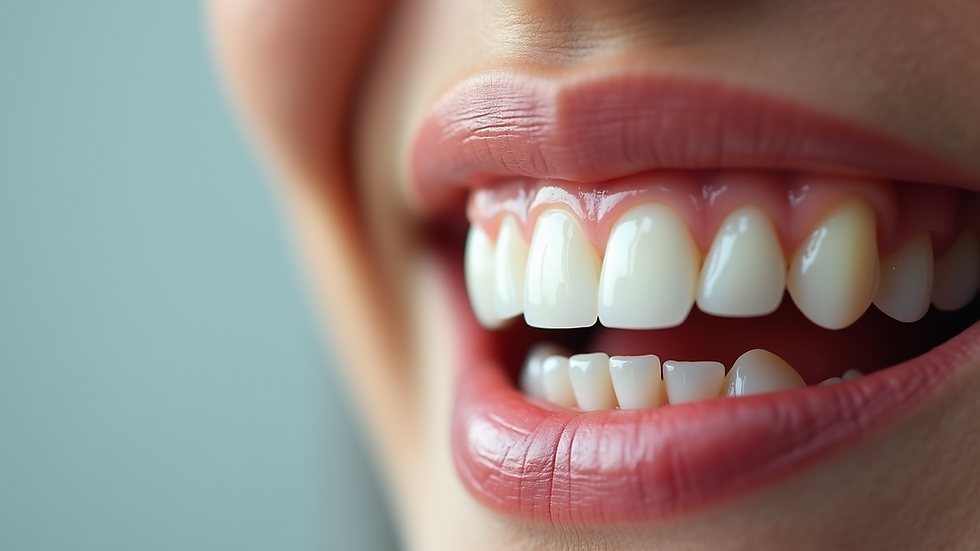
Gummy worms, fruit chews, sour belts, taffy, and sticky candy pieces are Halloween staples. They are bright, fun, and easy to pack into treat bags. They are also some of the hardest candies for teeth to handle.
The issue is not just sugar. It is the way sticky candy clings to the grooves of teeth and stays there. The longer sugar sits in the mouth, the more time bacteria have to produce acids that can wear down enamel. Sour gummy candies add another concern because many have acidic ingredients that can be harsh on teeth.
Chewy candies can also be a problem for kids with loose teeth, braces, spacers, or other dental work. Adults with crowns or fillings may want to be careful too. Taffy and sticky caramels have a talent for finding every weak spot.
Better choices
For a candy option, plain chocolate is often easier on teeth because it melts and clears from the mouth faster than sticky candy. Mini dark chocolate squares, chocolate-covered pretzels, or small milk chocolate pieces can work well, depending on allergies and age.
For non-candy options, try:
Mini bags of pretzels
Halloween-themed stickers
Glow sticks
Small packs of crayons
Mandarin oranges with jack-o’-lantern faces drawn on the peel
For a party platter, serve fruit in a fun way rather than relying on fruit-flavored candy. Try banana “ghosts” with mini chocolate chips for eyes, or apple slices with sunflower seed butter. If serving apples to young children, slice them thinly and supervise while they eat.
2. Hard candies and lollipops can be choking hazards
Hard candies, jawbreakers, round mints, and lollipops can seem harmless because kids eat them slowly. That is also what makes them risky. A small, hard, round candy can slip backward in the mouth and block the airway, especially when a child is walking, laughing, talking, or running around in costume.
Lollipops add another layer of concern. A child can trip while holding the stick in their mouth, or bite down and break off a sharp piece. Hard candies are also not great for teeth because they keep sugar in the mouth for a long time. Biting down on them can crack a tooth.
These treats are especially poor choices for toddlers and preschoolers. Older kids and adults may handle them more safely, but they are still worth limiting.
Better choices
Choose treats that are soft enough to chew and not round or slippery. Good options include:
Mini soft granola bars, if allergy-safe
Small packs of cheese crackers
Applesauce pouches for a party or home setting
Soft mini cookies with clear ingredient labels
Small chocolate pieces for children old enough to eat them safely
For trick-or-treat bowls, non-food items are often the simplest safer swap. Temporary tattoos, spider rings, pencils, erasers, stamps, and glow bracelets all feel Halloween-ready without causing choking concerns in the same way hard candy can. For younger children, avoid tiny toys that could also become choking hazards.

3. Peanut and tree nut candies can put guests at risk
Peanut butter cups, nut-filled chocolate bars, almond candies, and caramel-nut clusters are popular Halloween treats. For people without allergies, they may seem like a satisfying option because they contain fat and protein. For someone with a peanut or tree nut allergy, they can be dangerous.
The tricky part is that nut ingredients are not always obvious at a glance. A chocolate assortment may include multiple varieties in similar wrappers. A cookie or brownie may contain nut flour, peanut butter chips, or traces from shared equipment. Even candy without nuts may carry a warning that it was made in a facility that also processes peanuts or tree nuts.
If hosting a Halloween party, school event, or neighborhood gathering, nut-heavy snacks can create stress for families managing allergies. It is safer to keep ingredient labels visible and avoid putting mixed candies into unmarked bowls.
Better choices
Look for treats with clear labels and choose nut-free options when serving a group. Some ideas include:
Individually wrapped pretzels
Nut-free popcorn packs
Fruit cups or fruit leather with simple ingredients
Cheese sticks for a home party
Nut-free chocolate, if the label supports it
If preparing snacks at home, use separate utensils and clean surfaces well before handling allergy-friendly food. Keep packaging available so guests or parents can check ingredients themselves. For Halloween bowls, consider having a separate container of non-food treats for kids with allergies.
This is where teal pumpkin-style thinking can help. Offering non-food treats gives more children a chance to join in without having to skip the fun.
4. Caramel apples and whole grapes are not always kid-friendly
Caramel apples look like the perfect fall treat. They are shiny, festive, and easy to picture at a Halloween party. The problem is that they can be hard to bite, very sticky, and tough for younger kids to manage. Sticky caramel can cling to teeth and dental work. Whole apples on sticks can also be awkward for children with small mouths or loose teeth.
Whole grapes deserve a mention too, even though they may seem like a healthy party snack. Their small, round shape can make them a choking hazard for young children. The same concern applies to cherry tomatoes and similar round foods.
This is a good reminder that “natural” does not always mean safe in every form. The shape and texture of a snack matter just as much as the ingredient list.
Better choices
Bring the caramel apple idea down to a safer size. Try:
Apple slices with a light caramel drizzle
Apple nachos with yogurt, cinnamon, and a few mini chocolate chips
Thin apple wedges with sunflower seed butter
Baked apple slices with cinnamon
Grapes cut lengthwise for young children
For adults, caramel apples may be fine as an occasional treat, but sliced versions are easier to serve and share. They also let guests enjoy the flavor without committing to a sticky, oversized dessert.
If serving a mixed-age crowd, prepare fruit in age-appropriate ways before the party starts. It saves time and helps prevent rushed decisions when kids are excited and moving around.

5. Oversized candy bars and sugary drinks make sugar overload easy
Full-size candy bars, giant gummies, frosted cupcakes, soda, punch, and energy drinks can turn Halloween from a treat night into a sugar marathon. The problem is not one sweet item. It is the mix of candy before dinner, dessert at a party, and sugary drinks along the way.
Large portions also make it harder for people to self-regulate. A fun-size candy bar has a natural stopping point. A king-size bar does not. Sugary drinks are easy to overlook because they do not feel as filling as food, but they can add a lot of sugar quickly.
Energy drinks are a poor choice for kids and teens. Many contain high caffeine levels and are not appropriate for children. Even for adults, mixing caffeine, sugar, and late-night Halloween activities can lead to jitters and poor sleep.
Better choices
Keep portions smaller and make drinks simple. Try:
Fun-size candy instead of full-size bars
Water bottles with Halloween labels
Sparkling water with orange slices
Warm apple cider served in small cups
Unsweetened iced tea for adults
Snack cups with popcorn, pretzels, or crackers
At home, consider letting kids choose a few favorite candies to enjoy on Halloween night, then save the rest for later. A simple “pick your top five” approach keeps the night fun while reducing the urge to sample everything at once.
For parties, place water where guests can see it. Keep sweet drinks in smaller cups. Serve protein-rich snacks, like cheese cubes, hummus cups, or turkey roll-ups, so candy is not the only thing available.
A quick guide to smarter Halloween swaps
A safer Halloween snack table does not need to look boring. In fact, the best swaps are usually simple, colorful, and easy to grab.
Snack to limit or avoid | Main concern | Safer or healthier swap |
Sticky gummies and taffy | Cling to teeth and add lots of sugar | Mini chocolate pieces, pretzels, fruit “ghosts” |
Hard candies and lollipops | Choking risk and long sugar exposure | Stickers, glow sticks, soft snack packs |
Nut-filled candies | Common allergy trigger | Clearly labeled nut-free snacks or non-food treats |
Caramel apples and whole grapes | Sticky texture and choking risk | Apple slices, cut grapes, yogurt dip |
Oversized candy and sugary drinks | Easy sugar overload | Fun-size treats, water, small cider cups |
The best approach is balance. Offer a mix of small treats, savory snacks, fruit, and non-food surprises. That way, no one feels left out, and candy does not have to carry the whole holiday.
How to build a safer Halloween treat bowl
A thoughtful treat bowl can make Halloween easier for every family that comes to the door. It also helps avoid the awkward moment when a child cannot find anything safe to take.
Start with variety. Include a few classic candies, but add items that work for kids with allergies or dietary limits. Keep food and non-food treats in separate bowls. If possible, leave candies in their original wrappers so labels stay available.
Good non-food bowl fillers include:
Glow bracelets
Halloween pencils
Mini notebooks
Stickers
Temporary tattoos
Bubbles
Rubber ducks or small themed toys for older kids
Good food options include:
Pretzel packs
Popcorn packs
Crackers
Fruit snacks with clear labels
Small chocolate pieces, if age-appropriate
For young trick-or-treaters, parents will make the final call. The goal is to give them better options. A bowl with choices feels generous and seasonal, while still being practical.

Simple habits that make Halloween snacks safer
Snacks are only part of the picture. A few habits can make the whole night safer and calmer.
Check treats before eating. Toss anything with torn packaging, missing labels, or signs of tampering. Avoid homemade treats from unknown sources.
Serve dinner before trick-or-treating. A full meal can reduce candy grazing and help kids make better choices later.
Set candy expectations early. Decide how many pieces are okay on Halloween night before the bag is full.
Watch younger children while they eat. Costumes, excitement, and running around can increase choking risk.
Keep allergy-safe treats separate. If a child has food allergies, sort candy carefully and wash hands after handling allergens.
Make water the default drink. It helps balance sugary snacks and keeps everyone hydrated during a long evening.
The takeaway for a better Halloween
Halloween does not need to be candy-free to be safer or healthier. The smartest move is to watch out for the treats most likely to cause trouble: sticky candies, hard candies, nut-heavy sweets, awkward fruit snacks, and oversized sugary treats.
With a few easy swaps, Halloween can still be sweet, colorful, and fun. Choose smaller portions, read labels, cut foods into safer shapes, and add non-food treats to the mix. The best Halloween snack table is not the one with the most candy. It is the one where more people can enjoy the night safely.


Comments