


Teeth Grinding Symptoms: How to Spot If You're Grinding Your Teeth at Night

Ever wake up feeling like you just went ten rounds in a boxing match, but the only opponent was your own jaw? If that sounds familiar, you might be dealing with teeth grinding, also known as bruxism. It’s sneaky because it often happens while you’re fast asleep, leaving you clueless until the aftermath kicks in. Let’s dive into the world of teeth grinding symptoms and uncover what your mouth might be trying to tell you.
Common Teeth Grinding Symptoms You Should Know
Teeth grinding can be a real pain - literally. But how do you know if you’re doing it? Here are some telltale signs that your teeth might be having a midnight wrestling match:
Morning jaw pain or soreness: If your jaw feels stiff or sore when you wake up, it’s a red flag. Grinding puts a lot of pressure on your jaw muscles.
Headaches, especially in the temples: Grinding can cause tension headaches that start right where your jaw meets your skull.
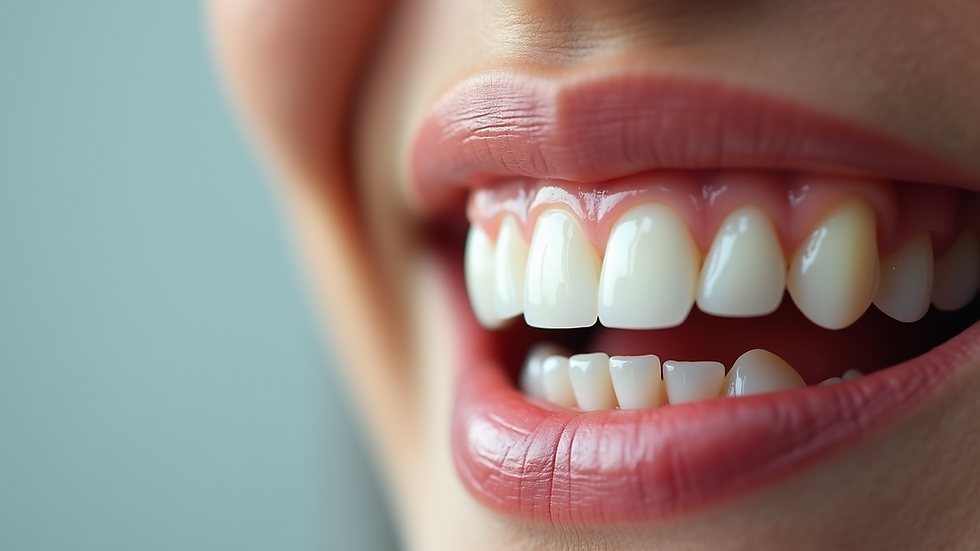
Worn or flattened teeth: Over time, grinding wears down the enamel, making your teeth look shorter or flatter.
Tooth sensitivity: If your teeth suddenly feel sensitive to hot, cold, or sweet foods, it might be due to enamel erosion from grinding.
Earaches or ringing in the ears: The jaw joint is close to your ears, so grinding can cause discomfort or even a ringing sensation.
Disrupted sleep: You might wake up feeling tired even after a full night’s rest because grinding can interrupt your sleep cycles.
If you’re nodding along to any of these, you might want to check out the signs you are grinding your teeth at night for more detailed info.

Why Does Teeth Grinding Happen?
You might be wondering, “Why on earth would my body do this to me while I’m sleeping?” Well, teeth grinding can be triggered by several factors:
Stress and anxiety: This is the most common culprit. When your mind is racing, your body might tense up, including your jaw muscles.
Sleep disorders: Conditions like sleep apnea can increase the likelihood of grinding.
Medications: Some antidepressants and other drugs can cause bruxism as a side effect.
Lifestyle habits: Excessive caffeine or alcohol intake can ramp up grinding.
Misaligned teeth or bite issues: Sometimes, your teeth just don’t fit together perfectly, causing you to grind unconsciously.
Understanding the root cause can help you tackle the problem head-on.
What Can Be Mistaken for Teeth Grinding?
Not every jaw ache or tooth sensitivity means you’re grinding your teeth. Sometimes, other issues can mimic the symptoms:
Temporomandibular joint disorder (TMJ or TMD): This affects the jaw joint and muscles, causing pain similar to grinding.
Tooth decay or cavities: These can cause sensitivity and discomfort that might be confused with grinding damage.
Sinus infections: Pressure from sinus issues can cause facial pain that feels like jaw soreness.
Dental abscesses: Infections in the tooth root can cause pain and swelling.
If you’re unsure, it’s always a good idea to get a professional evaluation to pinpoint the exact cause.

How to Protect Your Teeth and Jaw from Grinding Damage
Now that you know the signs and causes, what can you do to protect your pearly whites and your peace of mind? Here are some practical tips:
Wear a night guard: Custom-made by your dentist, these guards act like a cushion between your teeth, preventing damage.
Manage stress: Try relaxation techniques like meditation, deep breathing, or yoga before bed.
Limit caffeine and alcohol: Especially in the evening, to reduce muscle tension.
Maintain good sleep hygiene: A regular sleep schedule and a calm bedtime routine can help.
Avoid chewing non-food items: Pens, pencils, or gum can encourage jaw clenching.
Stay hydrated: Dehydration can sometimes worsen muscle cramps and tension.
Visit your dentist regularly: Early detection can save you from costly repairs down the road.
Taking these steps can make a world of difference in keeping your smile healthy and your jaw happy.
When to See a Dentist About Teeth Grinding
If you’re experiencing persistent jaw pain, headaches, or notice changes in your teeth, it’s time to book an appointment. A dentist can:
Diagnose bruxism through examination and sometimes X-rays.
Recommend or fit a night guard.
Check for underlying dental issues.
Provide guidance on lifestyle changes.
Remember, catching teeth grinding early can prevent serious damage and discomfort later on. Your dentist is your ally in this fight.
If you’ve been wondering about those mysterious aches and pains, now you have a clearer picture. Teeth grinding might be a nighttime nuisance, but with the right knowledge and care, you can keep your smile bright and your jaw relaxed. After all, your mouth deserves a good night’s rest too!


Comments